

Dispensationalism is a theological framework that interprets the Bible as divided into distinct periods or “dispensations” in which God interacts with humanity in different ways. This document explores the origins, key beliefs, and implications of dispensationalism, providing insight into its significance within Christian theology.
Origins of Dispensationalism
Dispensationalism emerged in the 19th century, primarily through the teachings of John Nelson Darby, a British theologian and a key figure in the Plymouth Brethren movement. Darby proposed that the Bible should be understood as a series of divine administrations, each with its own set of rules and expectations. This perspective gained traction in the United States, particularly through the publication of the Scofield Reference Bible in 1909, which popularized dispensationalist interpretations.
Key Beliefs of Dispensationalism
Dispensationalism is characterized by several core beliefs:
- Division of History: Dispensationalists believe that history is divided into several dispensations, typically seven, including Innocence, Conscience, Human Government, Promise, Law, Grace, and the Kingdom. Each dispensation represents a different way in which God relates to humanity.
- Literal Interpretation of Scripture: Dispensationalists advocate for a literal interpretation of the Bible, particularly prophetic texts. They believe that the promises made to Israel in the Old Testament will be fulfilled literally in the future. This is more of a literalistic approach to the Bible text.
- Distinction Between Israel and the Church: A fundamental tenet of dispensationalism is the belief that God has distinct plans for Israel and the Church. Dispensationalists argue that the Church does not replace Israel but exists alongside it in God’s redemptive plan.
- Pre-Tribulation Rapture: Many dispensationalists hold to the belief in a pre-tribulation rapture, where believers will be taken up to heaven before a period of great tribulation on Earth. This belief is often linked to their interpretation of the Book of Revelation.
- Eschatology: Dispensationalism places a strong emphasis on eschatology, or the study of end times. Dispensationalists often focus on the Second Coming of Christ, the establishment of a millennial kingdom, and the final judgment.
Implications of Dispensationalism
Dispensationalism has had a significant impact on modern evangelicalism and Christian thought. It has influenced various aspects of theology, including preaching, teaching, and biblical interpretation. The emphasis on prophecy and end times has also shaped popular culture, leading to the creation of numerous books, films, and media that explore these themes.
However, dispensationalism has also faced criticism from other theological perspectives, particularly covenant theology, which argues for a more unified understanding of God’s covenant with humanity throughout history.
Conclusion
Dispensationalism remains a prominent and influential theological framework within Christianity. Its distinct approach to interpreting Scripture and understanding God’s plan for humanity continues to shape the beliefs and practices of many Christians today. Understanding dispensationalism is essential for engaging with contemporary theological discussions and the broader landscape of Christian thought.
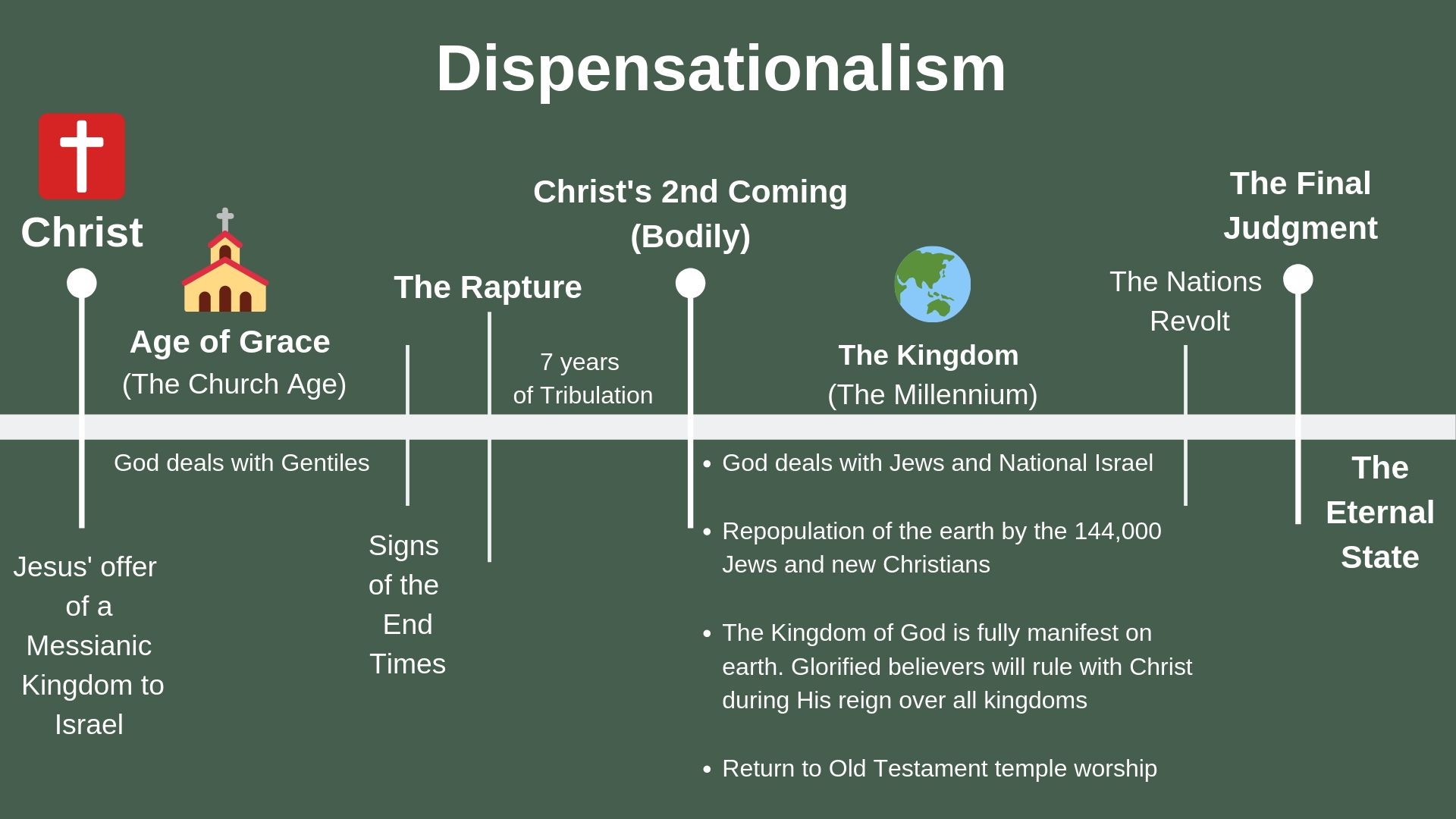
Image from the Church of the Advent




Leave a Reply