

Post-millennialism is a theological perspective within Christian eschatology that interprets the events surrounding the second coming of Christ in a unique way. This doctrine posits that Christ will return after a “millennial” period, which is often understood as a time of peace and righteousness on Earth, characterized by the spread of the Gospel and the establishment of God’s kingdom. This document aims to explore the key tenets of post-millennialism, its historical context, and its implications for contemporary Christian thought.
Key Tenets of Post-Millennialism
- Optimistic View of History: Post-millennialists believe that the world will gradually improve as the Gospel is preached and accepted. They hold that the influence of Christianity will lead to a more just and moral society.
- The Millennium: The “millennium” refers to a symbolic period, often interpreted as a thousand years, during which Christ reigns spiritually through His Church. This reign is not necessarily a literal thousand years but represents a significant era of peace and righteousness.
- Christ’s Return: According to post-millennialism, Christ will return after the millennium, at a time when the world is largely transformed by the influence of Christianity. This contrasts with pre-millennialism, which asserts that Christ will return before the millennium.
- Role of the Church: The Church plays a crucial role in ushering in the millennium. Post-millennialists emphasize the importance of evangelism, social justice, and cultural engagement as means to fulfill the Great Commission.
Historical Context
Post-millennialism gained prominence in the 19th century, particularly during the Second Great Awakening, a period marked by religious revival and social reform movements. The optimism of this era, combined with the belief in progress, led many Christians to adopt a post-millennial perspective. However, the two World Wars and other global crises in the 20th century challenged this optimistic view, leading to a decline in post-millennial thought.
Contemporary Implications
In modern times, post-millennialism has seen a resurgence among certain Christian groups who advocate for a transformative approach to society. This perspective encourages believers to engage actively in cultural, political, and social issues, believing that their efforts can contribute to the establishment of God’s kingdom on Earth.
Conclusion
Post-millennialism presents a hopeful vision of the future, emphasizing the transformative power of the Gospel and the active role of the Church in society. While it has faced challenges and critiques, its core message of optimism and engagement continues to resonate with many Christians today. Understanding post-millennialism is essential for grasping the diverse landscape of Christian eschatological thought and its implications for contemporary faith and practice.
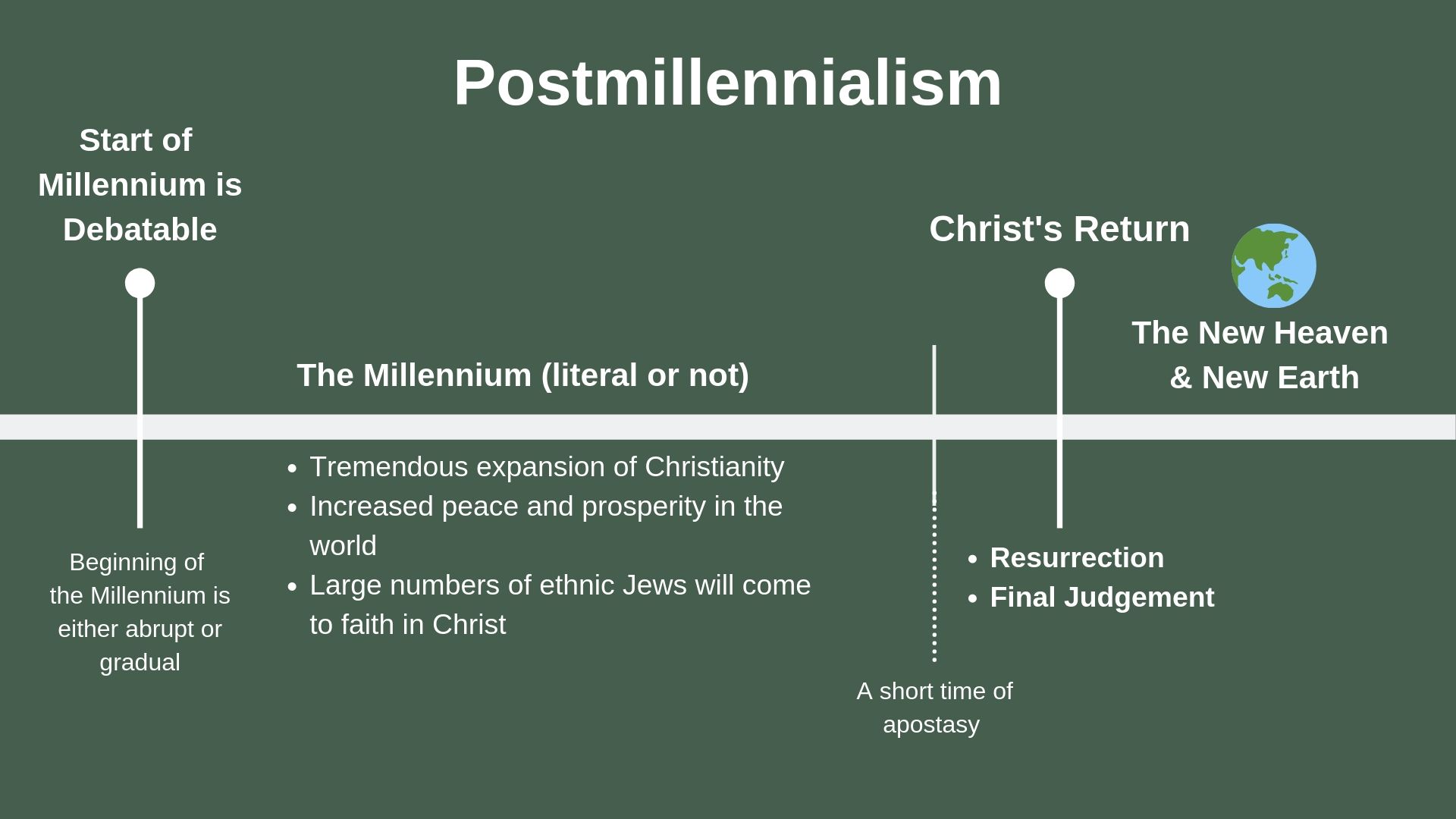
Image from the Church of the Advent




Leave a Reply