
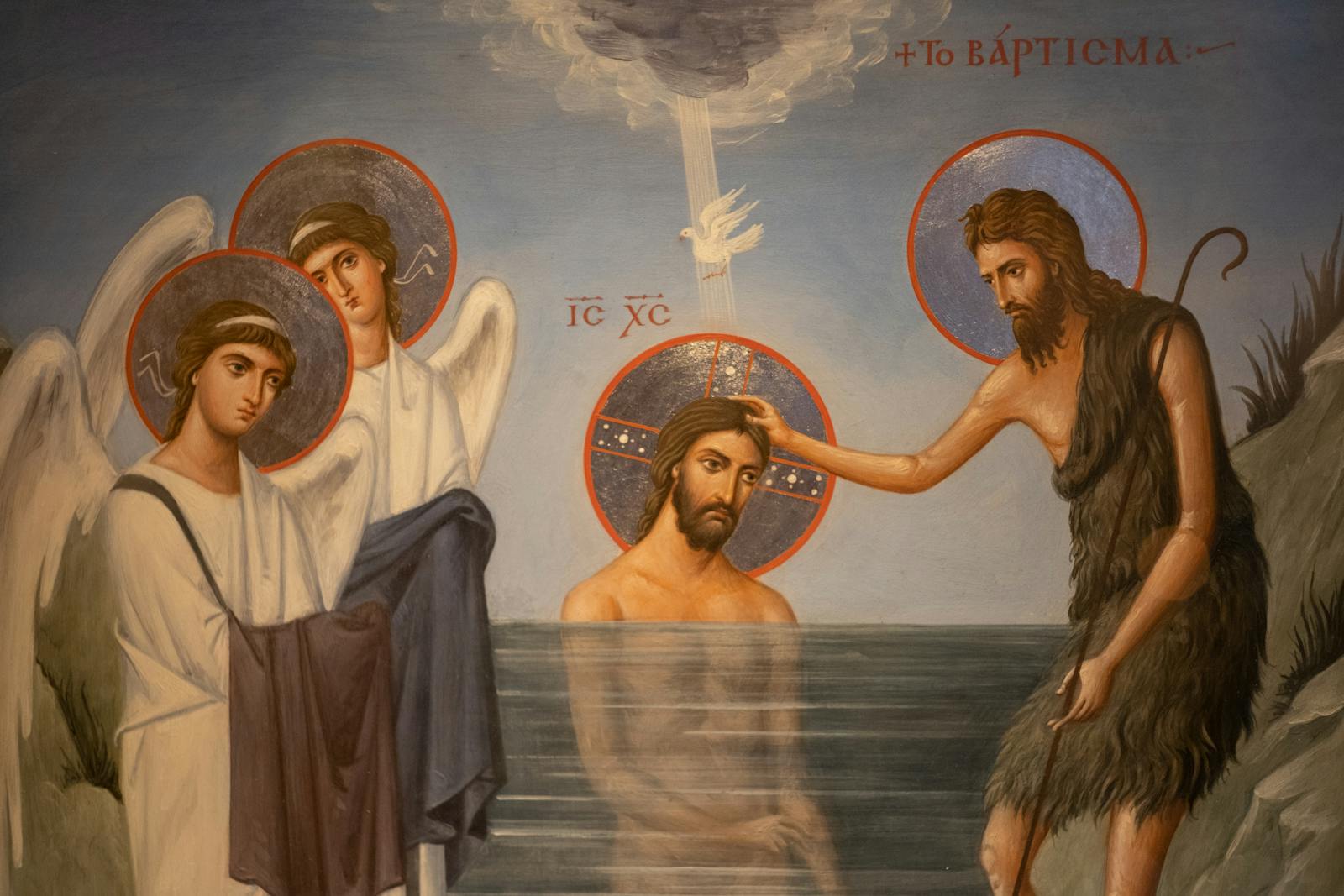
Baptism is a significant ritual in Christianity, symbolising purification, initiation, and the believer’s faith in Jesus Christ. However, interpretations and practices surrounding baptism vary widely among different denominations and theological perspectives. This document explores the diverse views on biblical baptism, examining its meaning, purpose, and the implications for believers across various Christian traditions.
1. The Meaning of Baptism
1.1 Symbol of Faith
For many Christians, baptism is seen as a public declaration of faith. It represents an individual’s commitment to follow Christ and signifies the washing away of sins. This perspective emphasizes the personal relationship between the believer and God.
1.2 Covenant Sign
In some traditions, baptism is viewed as a sign of the covenant between God and His people. This perspective is particularly prominent in Reformed theology, where baptism is seen as a means of grace that connects believers to the promises of God.
1.3 Rite of Initiation
Baptism is often regarded as an initiation rite into the Christian community. In this view, it marks the transition from being an outsider to becoming a member of the Church, emphasizing the communal aspect of faith.
2. Different Practices of Baptism
2.1 Infant Baptism
Many denominations, including Roman Catholicism and some Protestant traditions, practice infant baptism. This practice is rooted in the belief that baptism removes original sin and incorporates the child into the faith community, even before they can make a personal confession of faith.
2.2 Believer’s Baptism
Conversely, groups such as Baptists and Pentecostals advocate for believer’s baptism, which occurs only after an individual has made a conscious decision to follow Christ. This perspective emphasizes personal faith and the importance of understanding the significance of baptism.
2.3 Modes of Baptism
The method of baptism also varies among denominations. Some practice immersion, where the individual is fully submerged in water, while others may use pouring or sprinkling. Each mode carries its own theological implications and reflects differing understandings of the symbolism of baptism.
3. Theological Implications
3.1 Salvation and Baptism
The relationship between baptism and salvation is a contentious topic. Some traditions, like the Catholic Church, view baptism as necessary for salvation, while others argue that faith alone is sufficient, with baptism serving as an outward sign of an inward change.
3.2 The Role of the Holy Spirit
Different perspectives also exist regarding the role of the Holy Spirit in baptism. Some believe that the Holy Spirit is imparted during the act of baptism, while others see it as a separate experience that may occur before or after baptism.
4. Conclusion
The diverse perspectives on biblical baptism reflect the rich tapestry of Christian belief and practice. Whether viewed as a symbol of faith, a covenant sign, or a rite of initiation, baptism remains a central element of the Christian experience. Understanding these different interpretations can foster greater appreciation and dialogue among believers from various traditions.




Leave a Reply