
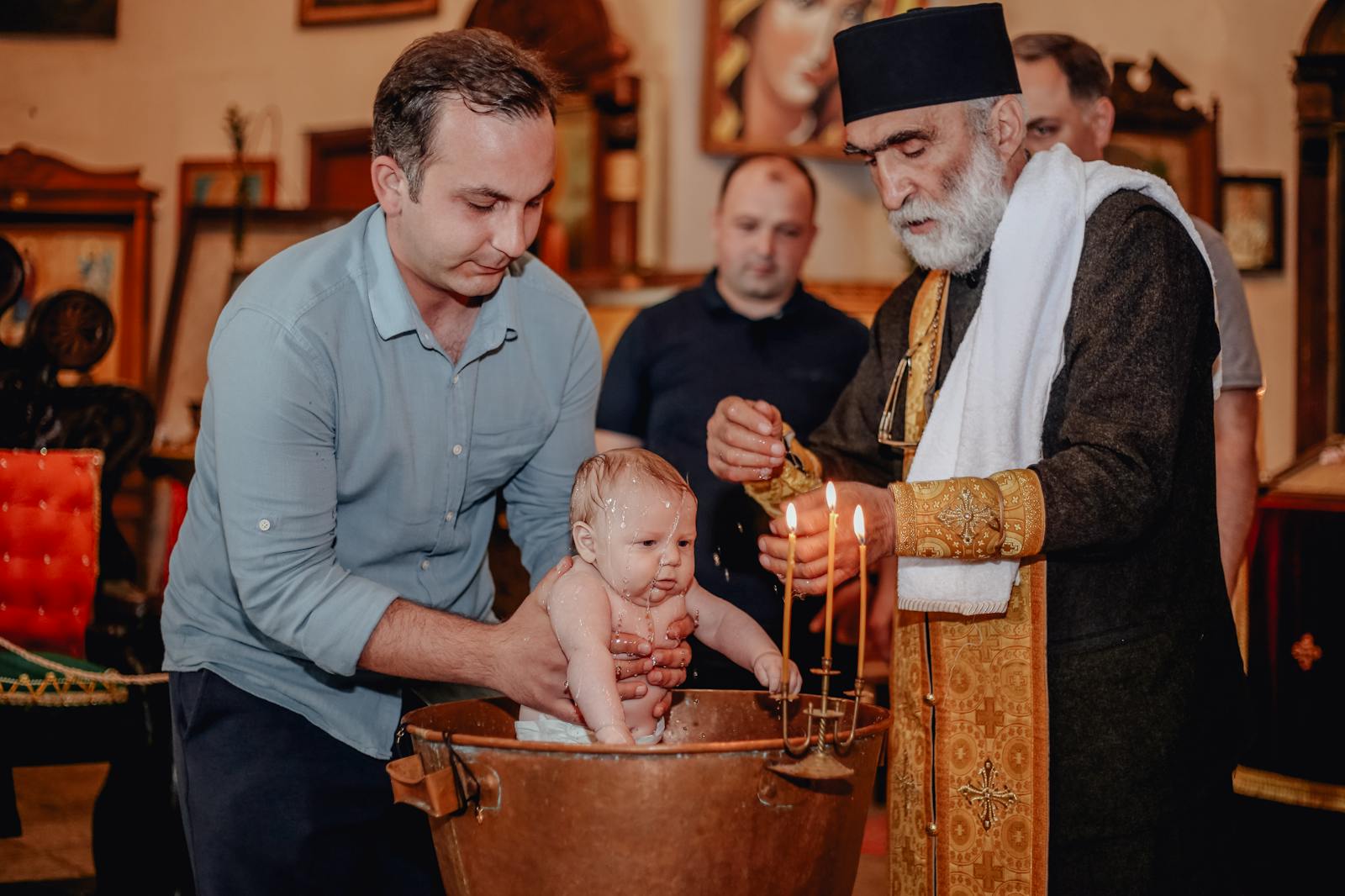
Infant baptism is a topic of considerable debate among various Christian denominations. This document explores the biblical basis for infant baptism, examining scripture passages and interpretations that support or oppose the practice. By analyzing both the Old and New Testaments, we aim to provide a comprehensive understanding of what the Bible conveys regarding the baptism of infants.
Biblical Foundations
Old Testament Context
While the Old Testament does not explicitly mention baptism, it lays the groundwork for the concept of covenant and community. The practice of circumcision, which was performed on infants as a sign of the covenant between God and His people, is often cited as a parallel to infant baptism. In Genesis 17:12, God commands Abraham to circumcise his male descendants on the eighth day, indicating that infants are included in the covenant community.
New Testament Insights
In the New Testament, the practice of baptism is introduced as a significant rite of initiation into the Christian faith. Key passages that are often referenced in discussions about infant baptism include:
- Matthew 28:19-20: The Great Commission, where Jesus instructs His disciples to baptize all nations, implies inclusivity. The term “all nations” can be interpreted to include children and infants.
- Acts 2:38-39: Peter’s sermon at Pentecost emphasizes that the promise of salvation is for “you and your children,” suggesting that children are part of the covenant community and eligible for baptism.
- Acts 16:15, 33: The accounts of Lydia and the Philippian jailer indicate that entire households were baptized, which likely included children and infants.
Theological Perspectives
Different Christian traditions interpret these scriptures in varying ways:
- Proponents of Infant Baptism: Many denominations, such as Roman Catholics, Lutherans, and Presbyterians, argue that infant baptism is a continuation of the Old Testament practice of including children in the covenant community. They believe that baptism is a means of grace and that infants, too, are in need of God’s grace.
- Opponents of Infant Baptism: Other groups, such as Baptists and some Evangelicals, argue that baptism should only be administered to those who can consciously profess their faith. They emphasize the importance of personal belief and repentance, which infants are unable to express.
Conclusion
The Bible presents a complex picture regarding infant baptism, with various interpretations stemming from both the Old and New Testaments. While some scriptures suggest that infants can be included in the covenant community and baptized, others emphasize the necessity of personal faith. Ultimately, the practice of infant baptism varies widely among Christian denominations, reflecting differing theological understandings of grace, faith, and community.
Note: Some of these topics are for information purposes so that people may make informed decisions, it does not necessarily mean that Rethinking Ecclesia is holding these theological positions.




Leave a Reply