
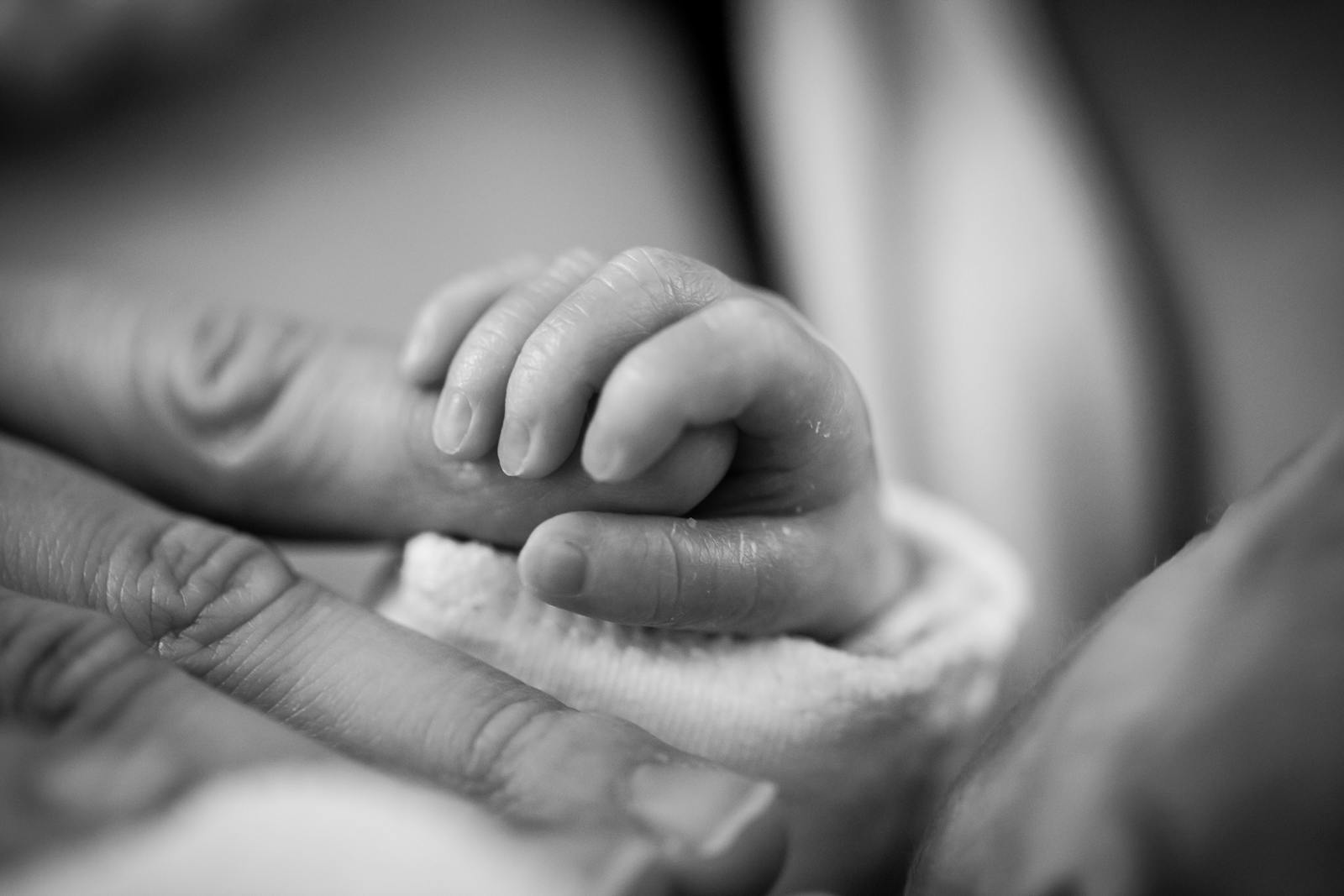
Here’s a counterargument to the idea that infants are guilty of sin in the eyes of God, structured as a thoughtful article with supporting Bible texts.
Are Infants Guilty of Sin? A Biblical Counterargument
The traditional doctrine of original sin teaches that all human beings, including infants, inherit a sinful nature from Adam. However, not all Christians agree that infants are guilty of sin in the same way as morally accountable adults. A closer look at Scripture raises important questions about the moral status of infants and the justice of God. This article presents a biblical counterargument to the idea that infants are personally guilty of sin, emphasising God’s justice, mercy, and the nature of moral accountability.
- Sin Requires Knowledge and Intent
A foundational biblical principle is that sin involves a willful violation of God’s law. For an act to be sinful, the individual must have knowledge of right and wrong and the capacity to choose disobedience.
James 4:17 (ESV)
“So whoever knows the right thing to do and fails to do it, for him it is sin.”
This verse clearly links sin to moral awareness and deliberate neglect. Infants, who lack the cognitive ability to understand or choose moral actions, do not meet this standard of sinfulness.
- Moral Accountability Comes With Knowledge
The Bible distinguishes between those who are capable of understanding good and evil and those who are not. Infants fall into the latter category.
Deuteronomy 1:39 (ESV)
“And as for your little ones… who today have no knowledge of good or evil, they shall go in there. And to them I will give it, and they shall possess it.”
God spared the children of Israel under a certain age from judgment because they lacked the capacity for moral decision-making. This suggests that divine justice considers moral awareness, not merely inherited nature.
- God Judges Each Person by Their Own Actions
The Bible affirms that God judges individuals based on their personal choices, not merely their inherited condition.
Ezekiel 18:20 (ESV)
“The soul who sins shall die. The son shall not suffer for the iniquity of the father… The righteousness of the righteous shall be upon himself, and the wickedness of the wicked shall be upon himself.”
This passage emphasises personal responsibility. Infants, who have committed no conscious sin, should not be held accountable for Adam’s transgression according to this principle.
- Jesus’ View of Children
Jesus’ treatment of children in the Gospels provides a powerful image of their innocence and welcome in the kingdom of God.
Matthew 19:14 (ESV)
“But Jesus said, ‘Let the little children come to me and do not hinder them, for to such belongs the kingdom of heaven.’”
Jesus did not treat children as morally corrupt or in need of immediate repentance. Instead, He welcomed them as examples of the kind of trust and humility required to enter the kingdom. This strongly suggests they are not guilty before God in the same way as adults.
- Infants and God’s Justice
God is repeatedly described in Scripture as just and righteous in all His ways.
Genesis 18:25 (ESV)
“Shall not the Judge of all the earth do what is just?”
It would seem inconsistent with God’s justice to condemn infants—who have no capacity for moral choice—on the basis of inherited guilt alone. While infants may inherit human frailty, it does not necessarily follow that they are culpable before God.
Conclusion
The Bible gives strong reason to believe that infants, while born into a fallen world and in need of God’s grace, are not guilty of sin in the same sense as morally accountable individuals. Scripture emphasises personal responsibility, knowledge of right and wrong, and God’s fairness in judgment. Jesus’ embrace of children also reinforces their unique and cherished place in God’s eyes.
While the doctrine of original sin highlights humanity’s need for redemption, the biblical counterargument suggests that infants are recipients of God’s mercy and not under condemnation for acts they cannot commit or understand. Ultimately, God’s justice and love assure us that He judges rightly and cares deeply for the most vulnerable—including the very youngest among us.
This is the view we hold in this ministry.



Leave a Reply